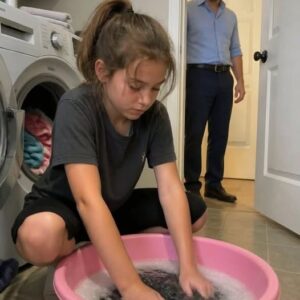
My sixteen-year-old daughter, Maya, had been unusually quiet for weeks, spending more time on her phone and losing interest in cheerleading. Concern grew when her principal called me to the school after staff discovered something unusual in her locker: numerous envelopes of cash and a black notebook containing students’ names, amounts, and notes about needs such as lunches, school supplies, shoes, and field trips.
At first, the school worried that Maya might have been collecting money improperly. But when I brought the notebook home, she explained that she had been quietly helping classmates who were struggling financially. It had started when she paid for one student’s lunch and gradually grew as other students began leaving money in her locker so she could pass it along to classmates who needed assistance. She kept careful records to make sure every dollar was accounted for.
One envelope containing $180 was missing, and Maya was particularly careful not to accuse the student whose name was on it. When we eventually spoke with him, he explained that he had found the envelope and mistakenly believed it had been left for him to pay his band fee. The misunderstanding was resolved, and the school later created a supervised assistance fund with proper records and privacy protections. A month later, Maya was back to laughing and enjoying cheerleading, and she gave me five dollars with a note saying, “Someone helped me last year. My turn.”