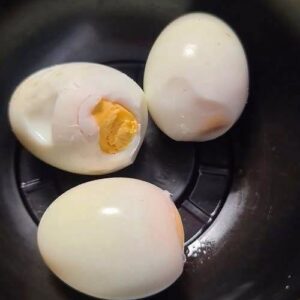
A rich orange egg yolk may look more nutritious, but yolk color alone does not determine an egg’s quality or health benefits. The shade is influenced largely by what the hen eats, with foods containing carotenoids, such as grass, alfalfa, and marigold petals, often producing deeper orange yolks. Some feed additives can have a similar effect.
Both pale-yellow and deep-orange yolks can provide important nutrients, including protein, vitamin B12, vitamin D, selenium, and choline. A brighter yolk does not automatically mean the egg is healthier, just as a pale yolk does not necessarily indicate an inferior egg.
Other factors are more important when choosing eggs, including the hen’s overall diet, farming conditions, hygiene, storage, and freshness. Yolk color can offer a clue about the hen’s diet, but it cannot tell you everything about the egg.
So when comparing eggs at the store, don’t let yolk color make the decision by itself. An orange yolk may be visually appealing, but the healthiest or freshest option isn’t necessarily the one with the most dramatic color.