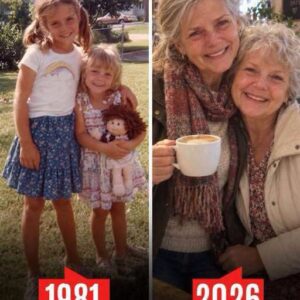
Grief was already difficult after my mother’s death when my sister-in-law made an unexpected demand at the funeral: she wanted my mother’s diamond ring, valued at around $50,000. To her, it seemed like a valuable piece of jewelry, but to me, the ring carried decades of memories. I had seen it on my mother’s hand throughout my childhood, making its emotional value far greater than its financial worth.
Instead of immediately handing it over, I decided to look carefully through the belongings my mother had left behind. That was when I discovered that the ring came with specific instructions my mother had deliberately left behind. The details revealed that the situation was not as simple as my sister-in-law had assumed.
The discovery changed the entire inheritance dispute. The ring was not simply an expensive object waiting to be claimed; it was connected to my mother’s personal wishes and a decision she had made long before her funeral. What mattered most was not the $50,000 valuation, but the meaning and intention attached to the ring.
The experience also made me reflect on how differently people can view the same possession. My sister-in-law saw a valuable piece of jewelry, while I saw a lasting connection to my mother and her memories. In the end, the ring’s greatest value was not its price, but the history it carried and the final message my mother had chosen to leave behind.